
Introduction
Workplace safety remains a strategic pillar in any industry: mining, petrochemicals, pharmaceuticals, food or manufacturing. In a changing global environment, digital transformation is redefining how we protect workers and manage the supply chain. Looking ahead to 2026, trends point to increasing integration between protective equipment, data and logistics processes.
Companies are driving this change through solutions that combine digitalisation, IoT, wearables, artificial intelligence and robotics. The goal is clear: to offer high-end safety equipment and more agile, efficient and connected integrated logistics.
“Technology alone does not guarantee success. To implement an integrated logistics model, it is essential to first raise internal awareness.”
[/vc_column_text]
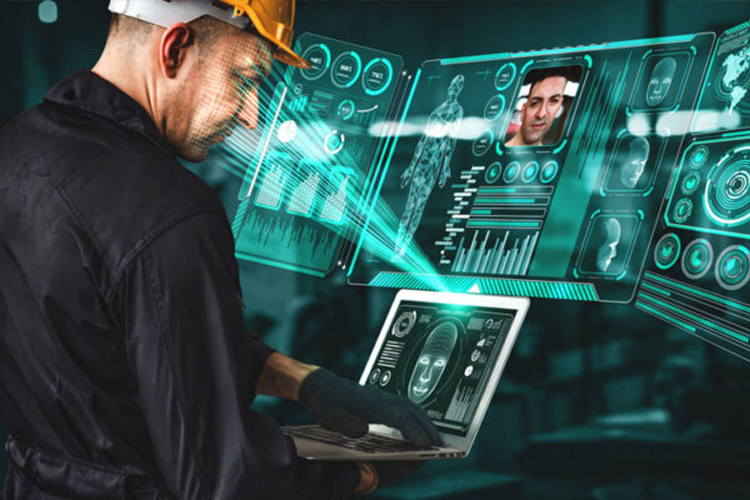
Digitalisation has become one of the major drivers of workplace safety.
Digitization as a driver of new workplace safety.
Thanks to connected systems, it is possible to:
- Monitor environmental conditions and PPE performance in real time.
- Detect risks early, before they turn into incidents.
- Centralize safety information on single platforms, facilitating decision-making.
In addition, digital tools enable the development of interactive training programs that help workers understand and use their protective equipment correctly. Technology does not replace people, but it does give them better tools to work.
When security meets comprehensive logistics.
The same digital logic applies to the supply chain. Well-designed comprehensive logistics connects all processes, from receiving materials to delivery to the end customer. Among the most notable benefits are:
- Smooth processes and management of a greater number of references.
- Speed and flexibility to adapt to changes in demand or unforeseen events.
- Greater competitiveness and ability to open new markets.
- Reduced logistics costs thanks to the optimization of routes, inventories, and resources.
- Better customer relations, as you can respond more accurately and quickly to their needs.
Comprehensive logistics is no longer just an operational issue: it is a strategic lever for differentiation.

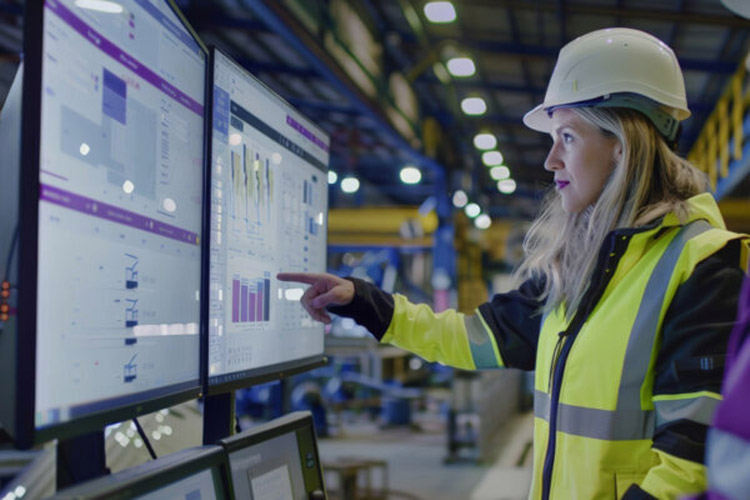
Well-designed comprehensive logistics connects all processes.
Keys to implementing a comprehensive logistics model.
Technology alone does not guarantee success. To implement a comprehensive logistics model, it is essential to raise internal awareness beforehand. All departments must understand what happens from the moment a product is manufactured until it reaches the customer and how their area impacts the final result.
Some critical points to consider:
- Product management: analyse how each item is manufactured and whether resources are being used efficiently.
- Interdepartmental communication: ensure smooth coordination and aligned decisions.
- Warehouse management: optimise storage, inbound and outbound flows, and product availability.
- Transport and deliveries: review the distribution network to ensure speed and reliability.
- Demand management: anticipate each customer’s order cycles in order to respond quickly.
Grupo Silgest: an example of digital integration.
The success of this approach depends on the organisation, the involvement of people and the integration between machinery and software. It is essential that warehouse management software connects with the ERP and with warehouse equipment using technologies such as RFID tags.
In this regard, all Silgest Group companies work with SAP adapted to their specific needs. This allows them to maintain comprehensive interconnected logistics, both between different departments and between group companies that manage orders from the same customer.
If you want to move towards a more efficient and connected comprehensive occupational safety and logistics model, we encourage you to contact your local sales representative to analyse your needs and study tailor-made solutions.